
Iran Calls US Proposal ‘Unreasonable’: What It Means for Global Stability
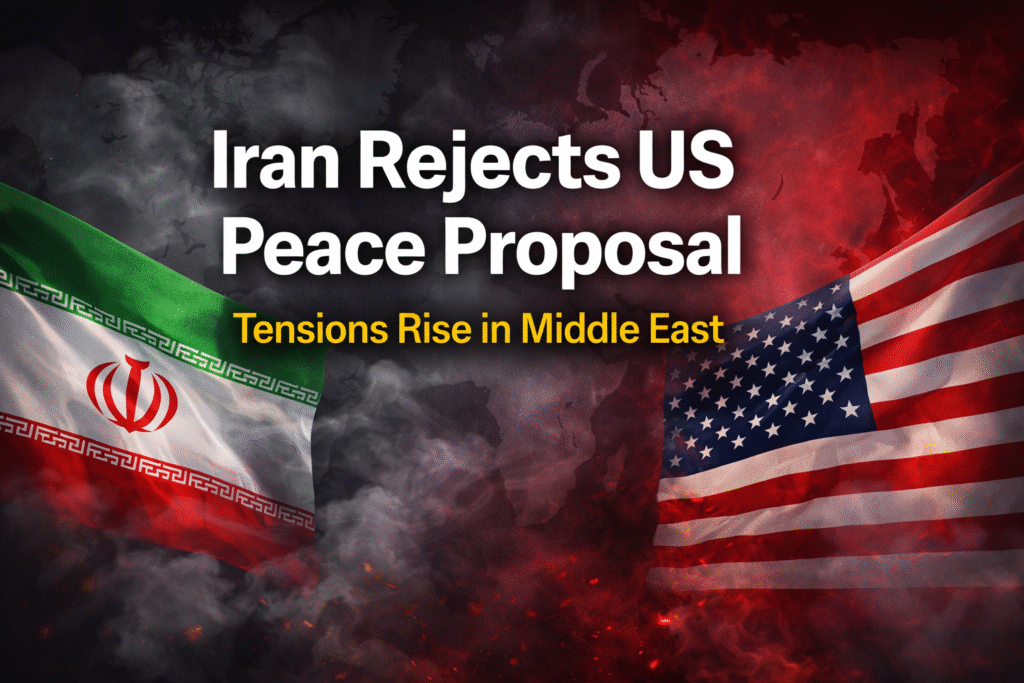
In a significant development iran us conflict in ongoing geopolitical tensions, Iran has strongly rejected a proposal backed by the United States aimed at ending the current conflict. Iranian officials described the proposal as “maximalist” and “unreasonable,” signaling a deep divide between the two nations and raising concerns over prolonged instability in the region.
Why Iran Rejected the Proposal
According to official statements, Iran believes the terms presented by the US heavily favor one side and fail to address key concerns related to sovereignty, security, and regional balance. Iranian leadership emphasized that any resolution must be “fair, balanced, and respectful of national interests.”
This rejection highlights a broader issue: the lack of mutual trust between the two nations, which continues to hinder diplomatic progress.
US Perspective and Strategic Intent
The United States, on the other hand, has positioned the proposal as a pathway to de-escalation and long-term peace. Officials argue that the framework is designed to stabilize the region and prevent further escalation.
However, critics suggest that the proposal may reflect strategic interests that do not fully align with Iran’s expectations, making acceptance unlikely without significant revisions.
Global Reactions
The international community has responded with concern. Several countries and global organizations have urged both sides to return to negotiations and avoid further escalation.
- European leaders have called for diplomatic engagement
- UN officials emphasized the importance of peaceful resolution
- Regional powers are closely monitoring developments due to potential spillover effects
Impact on the Middle East
The rejection of the proposal could have far-reaching consequences:
- Increased geopolitical instability
- Potential economic disruptions (especially oil markets)
- Rising tensions among neighboring countries
The Middle East remains a highly sensitive region, and prolonged conflict could impact global trade and security.
What Happens Next?
With negotiations at a standstill, the path forward remains uncertain. Analysts believe that:
- Backchannel diplomacy may continue
- Revised proposals could emerge
- International mediators may play a larger role
The coming weeks will be crucial in determining whether tensions escalate further or move toward resolution.
Conclusion
Iran’s rejection of the US proposal underscores the complexity of international diplomacy and the challenges of resolving deeply rooted conflicts. As both nations hold firm to their positions, the global community watches closely, hoping for a breakthrough that can restore stability.



More Stories
Born in Captivity — How the Hanuman Chalisa Emerged from Darkness
2026 Assembly Elections: A Defining Moment for India’s Political Landscape, kerala assam election
Trump Threatens Iran’s Oil, Power & Water Infrastructure — US-Iran War Sends Oil Above $115 a Barrel